

Written by :
Published on :
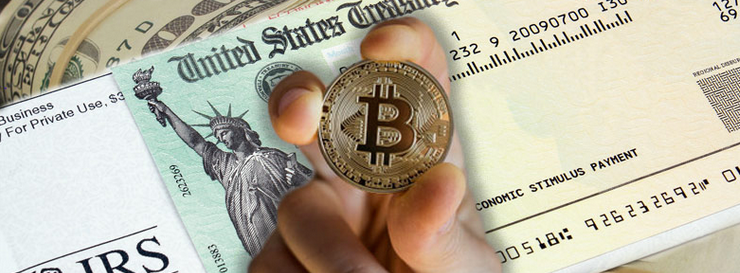
A Reddit user by the name of Thoway (his real identity concealed) is stuck owing the Internal Revenue Service (IRS) a hefty $50,000 despite making less than that as a $47,000-a-year-salaried office worker.

Thoway cashed out when the anonymous cryptocurrency was at its peak nearing the $19,000 mark. Ali Montang of CNBC.com reports.
Thoway says he first got involved with cryptocurrency in the beginning of 2017 and bought eight bitcoin for $7,200. By December of last year, says Thoway, that initial investment soared and he decided to cash out.
Since the IRS views cryptocurrency as property — not currency — that sale triggered a "taxable event," leaving Thoway obligated to pay taxes on the appreciation of his investment. The income tax he owes, "adds up to about $50,000 if I add up state (California) and federal," according to the post.
Unfortunately for Thoway, it appears he didn't set aside any money to pay those taxes. In fact, he writes that he then invested his windfall into other cryptocurrencies.
Since December the price of nearly all cryptocurrencies have plummeted along with bitcoin, which is currently hovering around the $8,000 to $10,000 mark on any given day, well below its peak.
"I got caught up in the alt-coins frenzy," he wrote, referring to alternative digital coins like litecoin or ethereum, "and sold most of my bitcoins (about $120k worth) to buy a bunch of different coins."
The solution might not be a wise one. As Fortune.com recently reported, many cryptocurrency investors are opting not to pay taxes on their investments.
Early data collected shows that only .04% of those investing in bitcoin and other cryptocurrencies have opted to pay Uncle Sam.
From Fortune.com:
When it comes to paying taxes, Bitcoin investors have a history of being evasive. The IRS last year successfully sued Coinbase, a leading cryptocurrency exchange, for access to customer records after only 802 people reported gains or losses from Bitcoin in 2015. (A court last fall ordered Coinbase to identify more than 14,000 customer accounts to the IRS.)
Meanwhile, high-profile Bitcoin investors have been warning their crypto compatriots to comply with IRS rules. "When I talk to the blockchain community, I'm always pushing them—I'm like, 'Dudes, A), pay your taxes.' Because nobody in that space pays taxes," Mike Novogratz, a billionaire hedge fund manager who now primarily invests in cryptocurrencies, said at a conference in June. "Listen, the IRS is going to come after people. People are making real money now. So the IRS isn’t stupid."
- Aaron Goldstein, Gambling911.com