

Written by :
Published on :
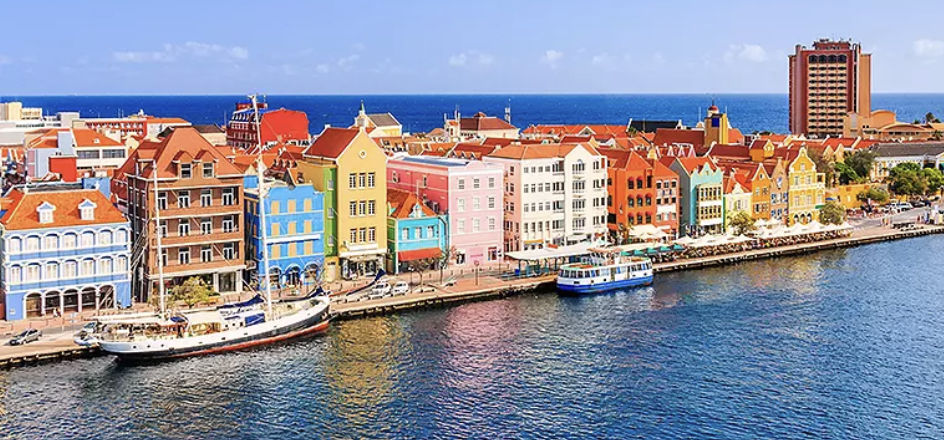
If you have spent any time around the online gambling industry, you have heard the same pitch for Curacao a hundred times: cheap, fast, easy. For years that pitch was essentially accurate. Curacao offered a licensing path that worked well enough for operators who needed to get to market quickly without the compliance overhead of Malta or the UK. The license had a reputation, some of it deserved and some of it not, but it worked.
What most people outside the industry have not fully registered is that Curacao changed significantly in recent years. The old sub-licensing model, where a handful of master license holders could issue essentially unlimited sub-licenses with minimal oversight, is gone. The current framework operates under the LOK legislation, which introduced a formal application process, ongoing compliance requirements, and direct regulatory relationships between operators and the Curacao Gaming Authority.
This matters whether you are an operator evaluating your licensing options or a player trying to understand what a Curacao license actually means for a site you are considering. The license is not the same thing it was five years ago.
What Actually Changed Under LOK
The LOK framework, which came into effect in 2023 and has been progressively implemented since, replaced the old master license structure with a single-tier system. Every operator now needs their own license directly from the Curacao Gaming Authority rather than piggybacking on a master license holder.
The practical implications are significant. Applications now require detailed documentation of corporate structure, beneficial ownership, technical infrastructure, and responsible gambling procedures. Ongoing compliance includes regular reporting, player protection requirements, and the possibility of regulatory action for violations. This is not the rubber-stamp process that Curacao licensing had a reputation for.
Costs have also shifted. The old sub-license model was cheap specifically because master license holders were doing the heavy lifting on compliance, and spreading those costs across many operators. Direct licensing involves application fees, compliance infrastructure, and ongoing regulatory costs that add up to something meaningfully more than the old all-in sub-license fees.
None of this means Curacao has become Malta. The compliance requirements are still lighter, the process is still faster, and the overall cost is still lower than the major European regulators. But operators going in with 2019 expectations will find the reality different.
Why Operators Still Choose Curacao
Despite the changes, Curacao remains the most widely held gaming license in the world, and the reasons are not hard to understand.
Market access is the primary driver. Curacao licensed operators can accept players from a wide range of jurisdictions that other licenses do not cover. For operators targeting markets in Asia, Latin America, Eastern Europe, and parts of Africa, Curacao provides access that a UK or Malta license does not. This is not a regulatory grey area so much as a structural feature of how global gambling regulation works: most jurisdictions regulate their domestic markets, and Curacao licensed operators often serve players in countries without their own robust licensing framework.
Speed to market still matters. Even under LOK, the Curacao timeline is faster than the UKGC or MGA. For operators who need to launch while a more demanding license application is in progress, or who are testing a new product in markets where Curacao coverage is sufficient, the faster timeline has real commercial value.
The cost differential remains real even if it has narrowed. For smaller operators or new entrants who are not yet generating the revenue that would justify a full MGA compliance infrastructure, Curacao offers a path to legitimate operation that is financially viable.
The Ongoing Compliance Reality
One thing that has not changed is that Curacao does not provide regulatory cover in jurisdictions that require local licensing. An operator holding a Curacao license is not legally authorized to accept players in the UK, Germany, Sweden, or other markets with their own licensing regimes. Some operators have historically operated in these markets anyway, but that is a different question from what the license actually provides.
For operators who want clarity on what they are actually getting, and what they are not getting, with a Curacao license, the details matter. The requirements, process, costs, and realistic pros and cons of the current framework are covered in depth in this Curacao iGaming license guide, which reflects the LOK-era reality rather than the old sub-license model that most general coverage still describes.
The responsible gambling requirements under LOK are also worth understanding. The CGA now requires operators to implement player protection tools, self-exclusion mechanisms, and deposit limit functionality. These requirements are less prescriptive than the UKGC's framework, but they are real obligations that operators need to build into their platforms.
How Curacao Compares to the Alternatives
The licensing decision for most operators comes down to a comparison of Curacao against Malta, Gibraltar, Isle of Man, and increasingly Anjouan, which has emerged as another low-cost option in recent years.
Malta remains the gold standard for operators targeting European recreational players who care about regulatory credibility. The MGA license is recognized and respected in markets where Curacao is not. The tradeoff is a substantially more demanding application process, higher ongoing compliance costs, and a more restrictive framework around player acquisition and marketing.
Gibraltar and Isle of Man occupy a similar position to Malta: credible, demanding, expensive, and suited to operators who are already generating significant revenue from regulated markets and need the regulatory credibility to continue doing so.
Anjouan has attracted attention as an even cheaper alternative to Curacao, but the regulatory framework is much newer and the international recognition significantly lower. For operators who need banking relationships, payment processor access, or credibility with B2B suppliers, Anjouan's limited track record is a practical problem.
Curacao sits in the middle of this spectrum: more credible and better established than Anjouan, more accessible and faster than Malta, and still the right answer for a specific type of operator with a specific market focus.
What to Actually Look For
For anyone evaluating a Curacao licensed site as a player, the most relevant question is whether the operator is operating under a direct LOK license or still using legacy sub-license arrangements. The CGA publishes a license register, and checking whether the specific operator appears on it is straightforward.
For operators considering the license, the key variables are realistic timeline expectations, total cost of compliance rather than just application fees, and honest assessment of which markets you are actually trying to serve. Curacao is the right answer for some operators and the wrong answer for others, and the difference depends on specifics that generic licensing advice rarely addresses.
The gambling licensing landscape has gotten more complicated in the past few years, not less. Curacao is a meaningful part of that landscape, but it is a different part than it was before LOK. Understanding the current reality rather than the old reputation is the starting point for making a sensible decision about it.