

Written by :
Published on :
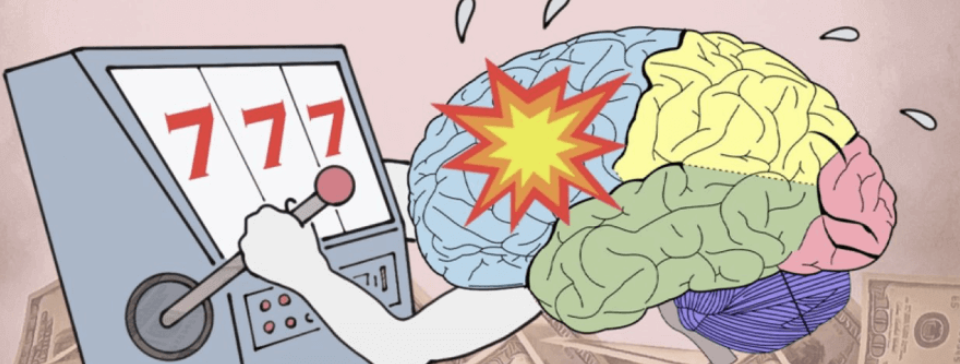
Explore the psychology of risk and reward. Discover why our brains love the thrill of chance in both video games and gambling, and what drives our decisions.
The Thrill of the Unknown: The Psychology of Risk and Reward in Gaming and Gambling
Have you ever felt that rush of excitement when facing a tough boss in a video game, knowing one wrong move could mean failure, but victory would bring epic loot? Or the suspense of watching a roulette wheel spin, where the risk of losing is overshadowed by the dream of a big win? This powerful feeling is at the heart of the psychology of risk and reward, a universal human experience that makes entertainment platforms like nv. casino is so compelling. Both gaming and gambling tap into the same fundamental brain chemistry, using the thrill of the unknown to create engaging and memorable experiences.
The Brain on Risk: It's All About Anticipation
The secret ingredient behind our love for risk is a powerful brain chemical called dopamine. Often called the "feel-good" hormone, dopamine is more accurately described as the "anticipation" hormone. Your brain doesn't release the biggest hit of dopamine when you win; it releases it in the moments leading up to the potential win. It’s the suspense of the "what if" that truly gets our hearts racing.
This is a core concept in gaming psychology. Think about the excitement of opening a loot box or a treasure chest. The most thrilling part isn't necessarily the item you get, but the few seconds of animation before it’s revealed. The same principle applies to gambling. The exhilarating moment is when the cards are being turned over or the slot machine reels are still spinning.
This biological response is a survival mechanism, designed to encourage exploration and reward-seeking behavior. Both gaming and gambling have masterfully harnessed this mechanism, creating loops of anticipation and potential reward that keep us coming back for more.
The Power of the "Almost Win"
One of the most powerful psychological hooks is the "near-miss" or "almost-win" effect. This is the feeling you get when you almost beat a difficult level in a game or when your roulette bet is just one number off. Instead of feeling discouraged, a near miss often makes you feel more determined to try again, thinking, "I was so close! Next time for sure."
This phenomenon is a cornerstone of gambling behavior psychology. Slot machines, for example, are often designed to show near misses frequently, with winning symbols landing just above or below the payline. This creates the illusion that you are getting closer to a win, even though each spin is an independent, random event.
In gaming, this can be seen when a boss is left with a tiny sliver of health before defeating you. This "almost win" signals to your brain that success is within reach, making you eager to jump right back into the fight. It’s a powerful motivator that turns potential frustration into renewed determination.
Skill vs. Chance: The Psychology of Control
While both gaming and gambling use similar psychological principles, there is a fundamental difference in the risk vs reward psychology they employ, which centers on the illusion of control. This table breaks down the key distinctions between the two activities.
|
Feature |
Gaming |
Gambling |
|
Primary Driver |
Skill, Strategy, Progression |
Chance, Luck |
|
Sense of Control |
High (your actions directly impact the outcome) |
Low (outcomes are random) |
|
Reward Type |
In-game progress, items, status |
Monetary winnings |
|
Consequence of Loss |
Loss of time, need to retry |
Loss of money |
The distinction in control is crucial for understanding the appeal of each activity. The high sense of control in gaming makes the risk feel manageable, while the low control in gambling makes the reward feel more like a gift from fate.
How Games Are Designed to Keep Us Engaged
Modern video games are masters of creating compelling risk-and-reward loops. Developers use a variety of mechanics to tap into our brain's reward system, making the experience more engaging and motivating. Many of these systems rely on the principle of "variable reinforcement," where rewards are given out at random intervals, which has been proven to be highly motivating.
Some common mechanics include:
- Loot Boxes and Random Drops: Opening a chest or defeating an enemy with the chance of getting a rare item is a classic example of variable rewards.
- Daily Login Bonuses: These encourage consistent engagement by offering small rewards just for showing up.
- High-Risk, High-Reward Missions: Optional quests that are very difficult but offer exceptional in-game loot, appealing to our desire to take on a challenge for a big payoff.
- Leveling Systems: The entire concept of gaining experience points to "level up" is a long-term reward system that keeps players invested.
These expertly designed systems provide a steady stream of dopamine hits. They create a satisfying gameplay loop that makes players feel like their time and effort are being rewarded.
Know the Game, Know Yourself
The psychology of risk and reward is a powerful force that shapes our entertainment choices. From the strategic challenges in video games to the pure chance of a casino floor, the thrill of taking a risk for a potential reward is a fundamental part of what makes these activities so captivating.
By understanding the psychological hooks at play – the dopamine rush of anticipation, the motivation of the near miss, and the illusion of control – you can approach your favorite pastimes with greater
- B.E. Delmer, Gambling911.com