

Written by :
Published on :
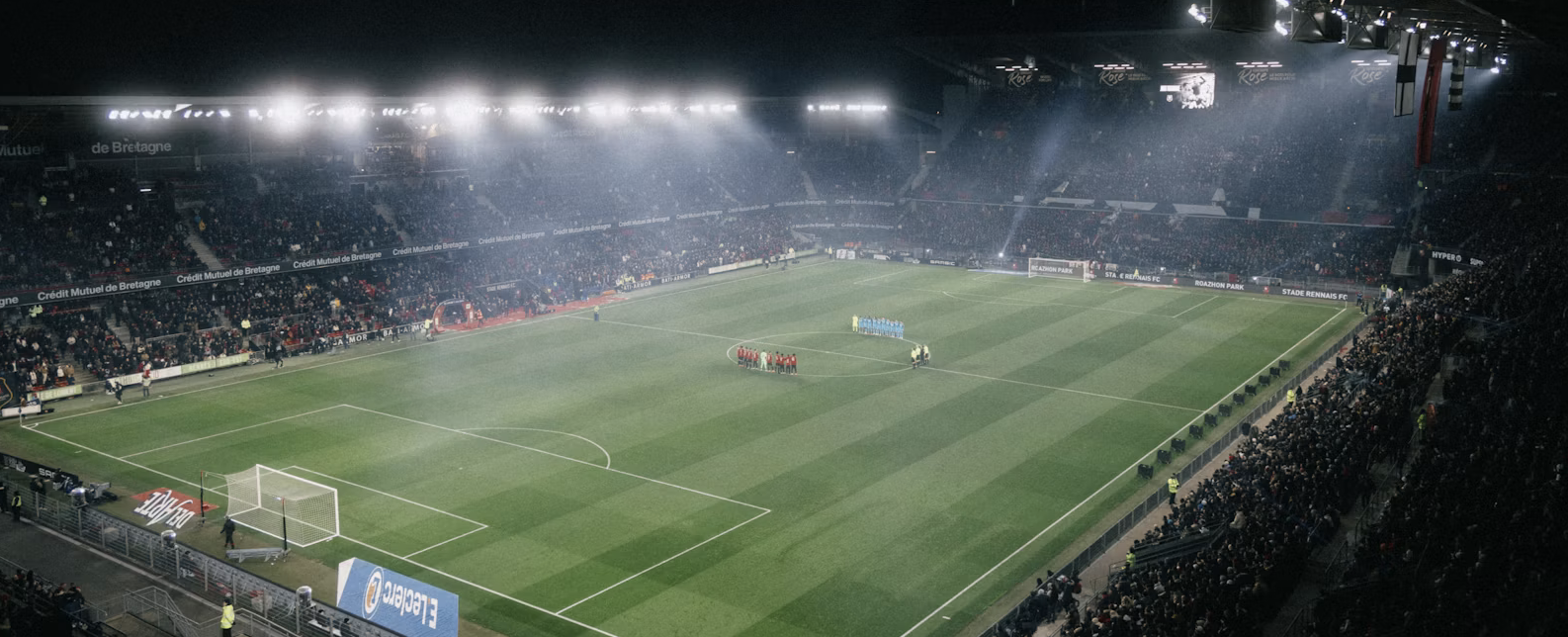
Opening lines can look surprisingly different by the time a major sporting event actually begins. A team that opened at one price on Monday may be sitting somewhere else by Friday, even though nobody has played a minute in between.
There isn't always one big reason behind the movement. Early markets are responding to new information, betting activity and bookmakers getting a clearer picture of how the event is being assessed.
Opening Prices Are the Starting Point
An opening line is essentially the bookmaker's first public assessment of an event. Plenty of research goes into setting it, but there are still unknowns when betting begins.
This is especially relevant around major events, where interest can arrive quickly. Someone comparing odds, checking team news or browsing an online casino for South African players may encounter prices that have already changed since the market first opened. The closer the event gets, the more information bookmakers and bettors have available.
Early Bettors Can Influence the Market
Not every bet carries the same informational value. Bookmakers pay attention to where early money is going, particularly when experienced bettors consistently back the same side at an opening price. If the original line appears to have underestimated a team or player, the bookmaker can adjust accordingly.
That doesn't mean a handful of bets automatically moves every market. Trading teams consider the amount wagered, the customer placing it and what competing bookmakers are doing. For less liquid markets, relatively limited activity can have a greater effect because there isn't yet a large volume of betting to balance the picture.
New Information Changes the Calculation
Sports don't stop producing news because betting has opened. A football team could lose a starting goalkeeper in training. An NFL player might be listed as questionable. Weather forecasts can become clearer, while coaches may provide new information about lineups or tactics. Any of these details can alter how an event is priced.
Sometimes the reaction happens within minutes because bookmakers don't want to leave an outdated line available while new information is already circulating.
Major Events Bring More Attention
Along comes a game big enough to attract bettors who ignored the market earlier in the week. Suddenly, betting volume increases, which means bookmakers get bigger datasets concerning how customers are pricing outcomes, and have more chances to compare their lines with competitors.
Public interest can matter as well. A famous team or popular athlete may attract plenty of support simply because people want to back a familiar name. Bookmakers have to account for that demand without assuming popularity and probability are the same thing.
Why the Closing Line Can Look Different
By the time an event starts, many of the uncertainties surrounding the opening market have been reduced. Team news is clearer, weather information is better, betting volume has increased, and bookmakers have watched how the wider market responded.
The closing price therefore reflects a much larger collection of information than the opening one. That doesn't make the final line a guarantee of what will happen. Sport remains unpredictable, which is exactly why the event still needs to be played.
Final Thoughts
Early opening lines can move quickly because they're released while the market is still gathering information. Early betting activity, injuries, team announcements, weather and competitor pricing can all influence what happens next. Major sporting events simply compress a lot of that activity into a short period.
For bettors, the useful lesson is that a price isn't permanent. Understanding why it has moved provides context, but it doesn't turn the latest line into a prediction.
- Ean Lamb, Gambling911.com