

Written by :
Published on :
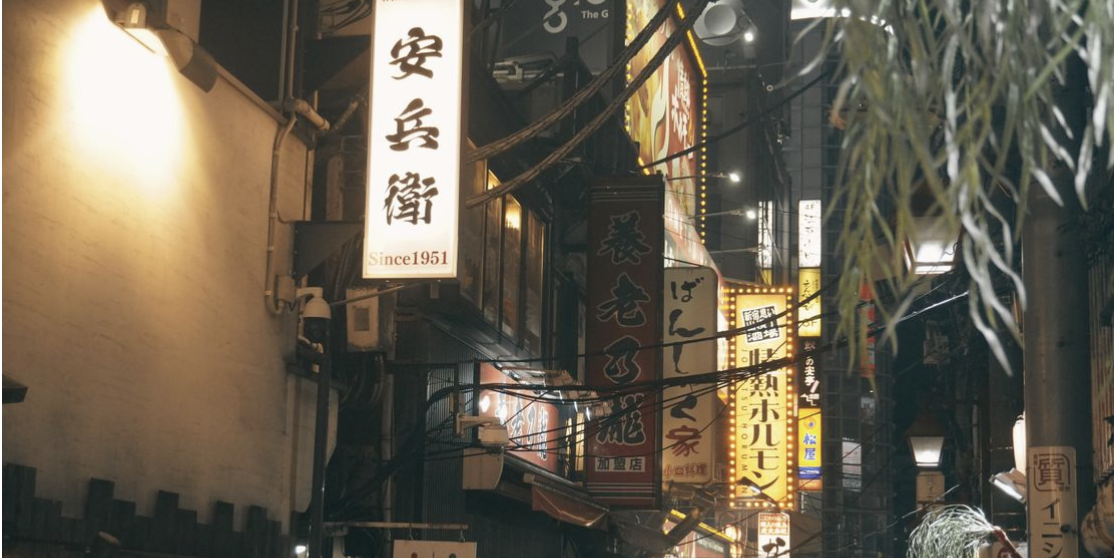
Japan doesn’t do things by halves. You’ll find thousand-year-old shrines tucked behind glass towers, bullet trains slicing through rice paddies that look untouched by time, and a country that somehow treats silence and neon chaos as equally sacred. Wander through Tokyo for an afternoon, and you’ll see monks heading to a temple a few streets over from teenagers queuing for the latest gadget, and somehow neither feels out of place.
That same restlessness shows up in how people spend their downtime too, whether that’s an arcade, an izakaya, or increasingly, betting apps that have exploded in popularity, the kind you’ll find compared in detail if you visit this Japanese review website. It’s a small window into a country that’s constantly experimenting with how it plays, even while holding onto customs that go back centuries.
Two Hundred Years Behind Closed Doors
The Edo period is where most of what we picture as “traditional Japan” actually comes from. From 1603 to 1868, the Tokugawa shogunate more or less shut the country off from the outside world. No trade, barely any travel, ideas kept firmly in check.
And yet, weirdly, that isolation is what let things like kabuki theatre, woodblock printing and the tea ceremony flourish. Sometimes a closed door does more for culture than an open one.
Then the Meiji era hit, and Japan flipped the switch entirely, building railways and factories at a pace that should’ve broken something. It didn’t. The country modernised without losing its identity, and that push and pull between old and new hasn’t really stopped since.
The Unspoken Rules
Nobody hands you a manual, but you’ll pick up the rhythm fast. The bow, the two-handed business card exchange, shoes off at the door. None of it feels like performance once you’re there; it’s just how respect gets shown.
Even the language works this way, with entire layers of politeness baked into how people speak depending on who they’re talking to. Address a stranger the way you’d address a close friend, and you’ll get a polite, slightly bemused correction rather than any real offence, but the distinction matters enough that most Japanese speakers switch registers without even thinking about it.
Trains run on a similar kind of quiet discipline. Queue where the markings tell you to, keep your voice down, let people off before you get on. It sounds rigid written down, but in practice it just makes everything move a little more smoothly.
Seasons That Actually Mean Something
Spring brings cherry blossoms and half the country seems to head outside at once. Summer means matsuri, street food, taiko drums, fireworks that go on forever. Come autumn, entire mountainsides turn red and gold, and even the shrines change what they offer up.
Kyoto has felt the weight of all this popularity more than most. The city recently moved to sharply raise hotel taxes, trying to get a handle on tourist numbers that have, frankly, gotten a bit out of control.
Not Stuck in the Past
Here’s the thing people miss about Japan: it isn’t some museum piece. Anime and manga have fans from São Paulo to Seoul. Japanese games shaped how an entire generation plays. Tokyo street fashion still filters down into collections you’ll see on runways elsewhere. Culture here keeps moving.
Walk through Harajuku or Shimokitazawa on a Saturday, and you’ll see it in real time, vintage shops next to concept cafes, a decades-old record store two doors down from something that looks like it was designed by an AI having a moment. None of it feels forced. It’s just what happens when a country treats reinvention as a hobby rather than a crisis.
Pachinko and the Quiet Art of Betting
Gambling has its own odd little footnote in Japan’s story. Most private betting has technically been illegal since 1907, with a handful of carve-outs for horse racing and a few other public sports.
Pachinko is the real curiosity though, that noisy pinball hybrid you’ll hear before you see it. It’s massively popular, and it sits in a strange legal grey zone.
Still Figuring Itself Out
Maybe that’s the honest way to describe Japan: not finished, not frozen, just constantly working out how to hold onto everything old while sprinting toward everything new. It mostly seems to be working.