

Written by :
Published on :
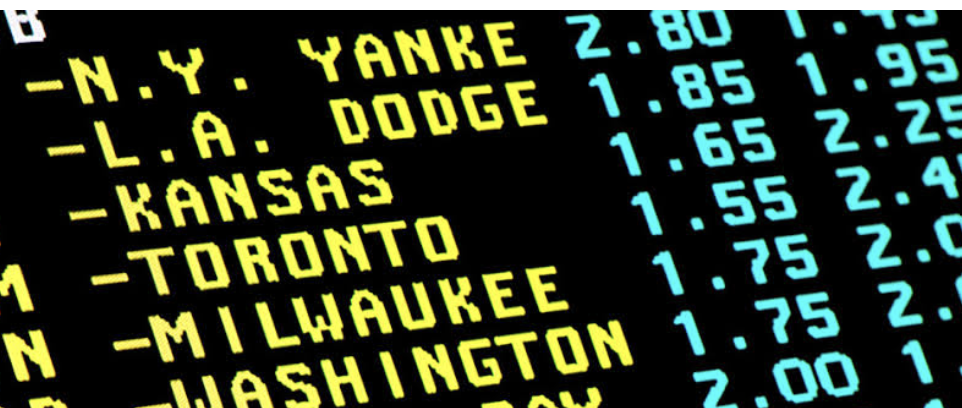
A bettor walks into a sportsbook and drops $500,000 on one side of a game. Another sends in a seven-figure wager just hours before kickoff.
It makes for a great headline. But does one monster bet really force oddsmakers to move the line?
Sometimes.
Other times, the sportsbook barely reacts.
The size of a wager matters, but it is only one part of the equation. Oddsmakers also want to know who made the bet, when it was placed, how much money is already in the market and whether other respected bettors appear to agree.
A Huge Bet Does Not Automatically Mean a Huge Line Move
There is no simple formula that says a $100,000 wager moves a point spread by half a point or a $1 million bet forces a sportsbook to make an immediate adjustment.
Every market is different.
A heavily traded NFL game can absorb enormous betting volume. A much smaller college basketball game, player prop or niche market may move after significantly less money comes in.
Liquidity is a big part of it.
The same principle applies across gambling markets. Someone looking for the best online casino might focus on bonuses or payouts, but sportsbooks are dealing with a completely different challenge: maintaining prices while money constantly enters the market.
A $100,000 NFL wager may not scare anyone.
A $20,000 bet in a low-limit market might.
Sportsbooks Care About Who Made the Bet
The amount is important.
The identity of the bettor can be even more important.
Sportsbooks pay close attention to customers who consistently find strong numbers before the rest of the market moves. These bettors are often referred to as sharps.
Imagine two wagers.
One customer bets $250,000 on a favourite. The sportsbook knows that customer regularly makes large recreational bets and does not have a history of beating closing lines.
Another customer bets $25,000 on the underdog. That bettor has repeatedly taken numbers that moved sharply in the same direction shortly afterwards.
Which wager concerns the sportsbook more?
It might be the $25,000 bet.
Oddsmakers are not simply asking, “How much did this person bet?”
They are also asking, “Why is this bettor willing to bet it?”
If a respected player attacks a number, traders may wonder whether they missed an injury, matchup edge or piece of information that has not fully reached the market.
Timing Can Matter as Much as the Money
A bet placed early in the week can have a very different impact from the same bet placed five minutes before kickoff.
Early markets generally have less liquidity.
Limits may also be lower because sportsbooks are still figuring out where the market wants to go.
That makes early sharp action especially interesting.
A respected bettor hitting an opening number can cause a sportsbook to move quickly, even if the wager itself would not be considered enormous.
By game day, the market is usually more mature.
Limits are higher. More sportsbooks have posted numbers. More money has entered the market.
At that stage, it can take considerably more action to move an established line.
What Happens After a Monster Bet Comes In?
Suppose a customer places $500,000 on an NFL team at -3.
The sportsbook does not necessarily hit a button and move the line to -4.
Traders first look at the situation.
Who placed the wager?
How much money is already on each side?
What are competing sportsbooks offering?
Has another respected book already moved?
Is there breaking news?
The sportsbook may decide to move from -3 to -3.5.
It could also keep the spread at -3 but change the price from -110 to -120.
On a moneyline, +150 might move to +140.
The adjustment depends on how much confidence traders still have in the original number.
A sportsbook may also decide the bet creates financial exposure without proving the line itself is wrong.
One Huge Bet Can Trigger a Chain Reaction
Sometimes one wager affects much more than a single sportsbook.
Sportsbooks constantly monitor the wider betting market.
If an influential book suddenly moves a team from -2.5 to -3, competitors notice.
They may not know exactly what caused the move, but they may suspect sharp action or important information.
Other books can then adjust their own numbers.
That creates a chain reaction.
Suddenly, it looks as though one bet moved the entire market.
In reality, the original wager may have been the trigger, while the larger movement came from sportsbooks reacting to one another.
That is why line movement itself can become information.
Bettors should still avoid treating every move as a guaranteed signal. Markets can move for many reasons, and practising responsible gambling means recognising that no line movement or sharp-money theory eliminates risk.
Big Public Bets and Sharp Bets Are Not the Same Thing
A giant recreational bet can create liability for a sportsbook.
A sharp bet can challenge the sportsbook's opinion.
That is an important difference.
If a wealthy customer regularly bets huge amounts and loses over time, the sportsbook may be perfectly comfortable accepting another large wager without making a dramatic move.
If a respected sharp bettor hits the same number, the reaction may be immediate.
In some cases, sportsbooks may even welcome large public wagers if they believe those bets are landing on the wrong side.
The goal is not always to have exactly 50% of the money on each team.
Sportsbooks are trying to manage risk while also making sure their numbers remain competitive.
So How Much Can One Bet Really Move the Line?
There is no universal answer.
One huge wager could move a betting line significantly, slightly or not at all.
The impact depends on the market, liquidity, timing, sportsbook liability, the reputation of the bettor and how strongly oddsmakers believe in the number they originally posted.
That is why a seven-figure wager does not automatically mean the line is about to jump.
Sometimes the biggest bet in the building is not the one traders fear most.
A million-dollar wager gets everyone's attention.
But inside a sportsbook, a much smaller bet from the right customer can be the one that really moves the market.
- Don Shapiro, Gambling911.com