
Written by :
Published on :
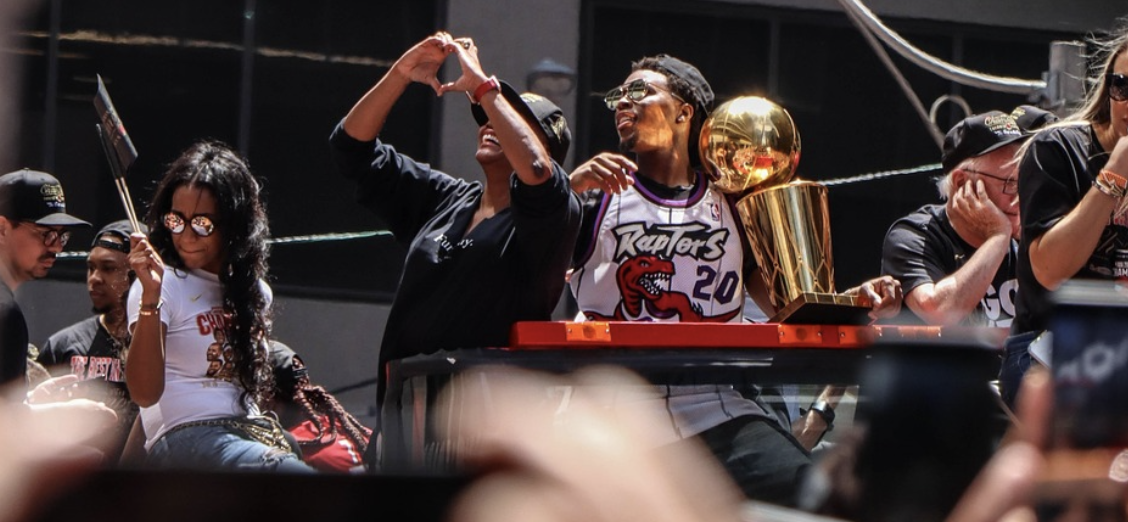
The NBA Awards 2026 have moved past debate season and into the results window. Several trophies are already settled, while the biggest race still has room for argument. That makes “undervalued” a sharper word than “favorite.” It points to candidates whose cases look stronger when the ballot logic is studied closely.
The public usually chases the loudest stat line first. Award voters often weigh role difficulty, team lifts, durability, and late-season momentum. The best value now sits where those factors have been under-discussed. That is where the deeper awards conversation starts.
MVP Still Has a Real Gap Between Noise and Case
Shai Gilgeous-Alexander still has the cleanest MVP lane because his case checks the two boxes voters usually trust most. NBA.com lists him as a finalist alongside Nikola Jokić and Victor Wembanyama, while ESPN reports his regular season output at 31.1 points and 6.6 assists across 68 games.That is not just volume. That is control, especially for an Oklahoma City team that played through him without looking dependent on a one-man offense.
Nikola Jokić is the reason the race cannot be reduced to a simple favorite’s story. ESPN lists him at 27.7 points, 10.7 assists, and 12.9 rebounds, a line that still reads like something from another era. That’s also where the broader market picture becomes interesting, with many fans comparing those profiles against expectations reflected on the FanDuel sportsbook. Past the noise, the race still comes down to the résumé that needs the fewest excuses.
Coach of the Year Has the Tightest Read
Coach of the Year is the race where the obvious story may not be the strongest. NBA.com lists J.B. Bickerstaff, Mitch Johnson, and Joe Mazzulla as the finalists. Reuters reported that Bickerstaff led Detroit to a 60-22 record, the East’s top seed, and the franchise’s first playoff series win since 2008.
Still, Johnson may be the most undervalued pick if the focus shifts from surprise to ceiling. In his first full season, San Antonio finished 62–20, according to published finalist coverage, underscoring how quickly the team translated his impact into winning results. That jump came with a young core learning how to win at the top of the West. Bickerstaff has the restoration case, while Johnson has the standard-setting case.
Most Improved Was Not Just a Scoring Jump
Nickeil Alexander-Walker winning Most Improved looks right because the award rewards role expansion, not just prettier counting stats. NBA.com confirmed him as the winner over Deni Avdija and Jalen Duren. Sports Illustrated described his rise as a move from dependable reserve to a legitimate starter who could score at a nightly lead-option level.
The undervalued lesson is that Alexander-Walker’s case had functional weight. Atlanta needed creation and two-way reliability after a major rotation shift. His improvement changed how the team could play, which is harder than adding shots on a weaker roster. That is why this pick was not a novelty case.
Sixth Man Rewarded Fit Over Flash
Keldon Johnson’s Sixth Man win makes more sense when the award is viewed through role value, not just bench scoring. NBA.com named him the winner over Jaime Jaquez Jr. and Tim Hardaway Jr., while Sports Illustrated noted that he averaged 13.2 points and 5.4 rebounds in 23.3 minutes for a Spurs team that cleared the 60-win mark. Those numbers were not loud in a typical award-race way, but they were tied to a winning structure.
That is the part casual viewers can miss. Johnson gave San Antonio physical scoring, defended bigger wings, and kept the pace moving without forcing the offense to change shape for him. For readers following broader context and analysis through FanDuel Research, the value here is often found in understanding why these contributions matter beyond box score scoring. Latest NBA Betting Insights can help explain why a race like this is not always about the bench player with the loudest scoring average. Johnson’s case worked because his role strengthened a winning team, and that kind of impact can carry more weight than louder offensive output..
Clutch Player Was More Than a Highlight Award
Shai Gilgeous-Alexander winning Clutch Player of the Year goes beyond recognition for late-game moments. Reuters reported that he received 96 first-place votes and led the league with 175 clutch-time points. His 60.9 percent shooting in those situations reinforces that the award was backed by efficiency, not just reputation or narrative.
What stands out more is how he performed under tighter defensive pressure. In clutch situations, defenses focus heavily on the primary scorer, making shot creation significantly harder and more predictable. Even with that attention, he consistently generated clean looks and executed at a high level. That ability to stay efficient when possessions are limited adds real weight to his overall MVP-level impact.
Past the Public Conversation
Awards season always has a public version and a league version. The public version follows the biggest conversation. The league version usually looks closer at usage, lineup value, and trust in important minutes. That is where the undervalued picks become interesting. They show which cases have support beyond the obvious box score. This year, that difference may tell the story better than the headline debates.
- Ean Lamb, Gambling911.com