

Written by :
Published on :
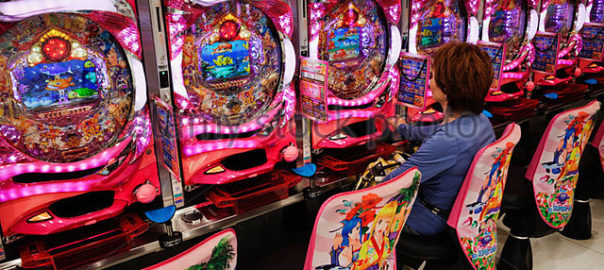
An estimated one in ten people in Japan play it. There is a market value in excess of 200 billion dollars per year. Its annual turnover is an astonishing 30 times that of Las Vegas! It could be described as colourful and chaotic. It's a popular feature of game shows, brought to life even further by one of the more popular games of recent times.
Crazy Time certainly brought the game show to the next level," pointing out Masa Sasajima, a betting expert and an editor of Bet In Japan that reviews Japanese online casinos. "It succeeded in allowing many online casino players who previously weren't so interested in game shows to change their mind.
Crazy Time features four lucrative bonus segments with each spin of the wheel offering an opportunity to win massive multipliers: Cash Hunt, Coin Flip, and Crazy Time itself.
And then there is the fourth component, one we will focus on here: Pachinko!
There are dedicated parlours just for Pachinko all over the country.
Origins
Pachinko machines have their roots in Chicago in the early 20th century with the Corinth game, which was a children's version of the popular Bagatelle pinball game. This game first appeared in Asia in the 1920's, and was mostly found in sweetshops throughout Japan as a way of keeping children in the shops in order to increase profit.
This version of the game attracted the attention of a more mature demographic in the 1930s when the board was turned upright and made much bigger. It would disappear after the outbreak of World War II, with the a large proportion of the machines being scrapped for metal, before making a comeback in the 1940s.
Following World War II, there was a gap in the market. The perfect environment for the growth of Pachinko existed. There was a surplus of metal ball bearings and the public were seeking some much needed entertainment. And so, Pachinko was born and instantly grabbed the attention of the Japanese public.
How Does it Work?
The mechanical game responded to the amount of force you put on a lever, which would in turn, much like pinball, dictate the direction and speed of the metal ball bearings. The goal was to launch the balls around the machine in an attempt to get them into a designated pocket called The Start Chucker, which triggers the jackpot.
The game continually developed and in the 1980s, Pachinko went electronic. There were more lights, more colours, and the game became more and more complex. Now, getting a ball into The Start Chucker would open up additional holes, which would increase the jackpot as well as open arcade style mini games.
The Loophole
The jackpot would release new metal balls, which could then be exchanged for a cash reward. While gambling is technically illegal in Japan, Pachinko was not considered to be breaking any laws. This was because the metal balls were initially exchanged for a coupon, which you could only redeem for a cash prize in a separate establishment. It might seem a little strange, but when you consider that Pachinko is responsible for 4% of Japan's GDP, it begins to make a lot more sense!
Part of the Culture
Japanese people love to test their luck, whether it is with fortune telling or capsule toys sold in shops. Pachinko sits right on the boundary between skill and luck. This, combined with the dynamic sounds and visuals have created the perfect immerssive experience. Pachinko parlours have become a permanent fixture of the cityscape and are now a staple of the Japanese aesthetic. So popular is the game that you can even see queues of people on the street in the morning, all looking to ensure they get a seat front of their favourite machine!