
Written by :
Published on :
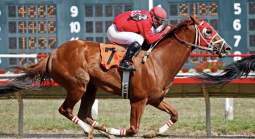
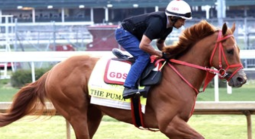
In the Monday version of What Do We Know About American Pharoah Owner Ahmed Zayat, we learn that he once sued the New York Racing Authority (NYRA). He did so because his horse got hurt while racing.

NYRA had the case dismissed it turns out. Zayat sued as a horse he owned suffered a career-ending injury while participating in the 5th race at Saratoga Springs Thoroughbred Racing Track which is owned and operated by defendant NYRA. NYRA’s argument that “the complaint must be dismissed because the undisputed record conclusively establishes that any hazardous conditions claimed by Zayat to have caused injury to Zayat's horse were obvious and apparent, which Zayat knew of or should have known of as an experienced professional thoroughbred race horse owner. Therefore, by participating in the thoroughbred horse racing activity leading to the accident with such knowledge, Zayat voluntarily assumed the risk of injuries from those dangers and implicitly gave its informed consent that NYRA owed it no duty of ordinary care with respect thereto, as a matter of law.”
As the court ruled, “Defendant submitted proof in admissible form showing that (1) horse racing is an inherently dangerous and risky sporting or entertainment activity; (2) plaintiff voluntarily participated in horse racing and routinely placed and raced his horses, including Phone Home, the horse that is the subject of this action, in professional racing activities; and more.
It continues that, “The record shows that Zayat was aware of the risks of injury in the sport of professional horse racing in general, and in particular the injury causing events and conditions that may occur at a start gate at the commencement of horse race, and as a professional is presumed to have a greater understanding of the dangers involved.”
The court ruled that “…it is undisputed that the injuries to plaintiff's horse, which occurred when the riderless horse attempted to jump over a fence, arose from dangers or conditions inherent in horse racing activity, precluding any property damage action against the owner/operator of the race track, even though the owner of the horse claimed that the injuries were caused by the "starter's" failure to properly start the race only after the jockey was ready, but without due consideration of the propensity of a horse to behave in ways that are unintended and that may result in injury.”
Basically what can be learned from this is that, in horse racing, horses get hurt, and one cannot blame the racing authority for it.
- Jagajeet Chiba, Gambling911.com