

Written by :
Published on :
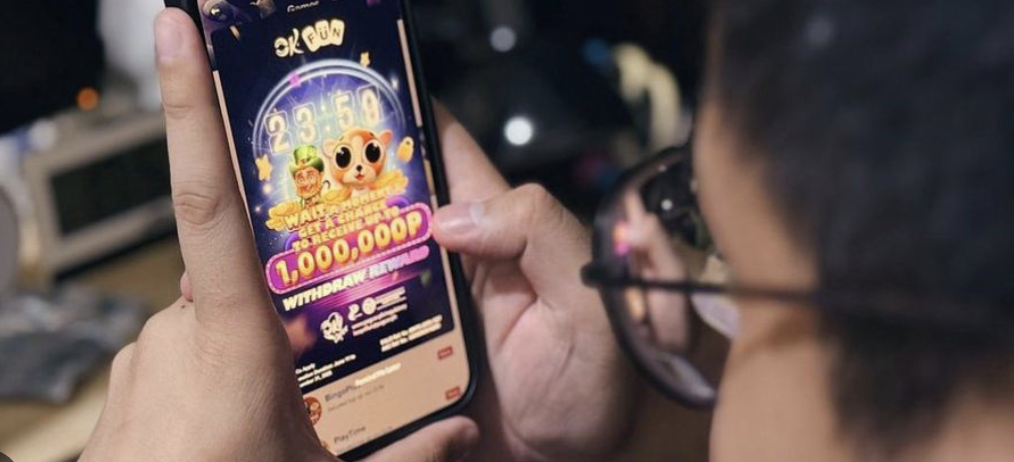
Bloomberg News reports on how those in the Philippines have become addicted to online gambling.

Since the pandemic, internet gambling has proliferated across the archipelagic nation, surpassing Singapore last year to become Asia’s second-largest gambling hub after Macau.
The report goes on to point out that almost half of the Philippines’ 69 million-person working-age population is registered on smartphone apps that offer slot machines, live carnival games and sports betting, an exponential rise from less than half a million users in 2018.
The expanding orbit of internet casinos is noticeable from the busy streets of the capital, Manila, to quiet agricultural towns on southern islands, with public-transport drivers, security guards and college students all constantly glued to their phones, tracking their wins and—more often—their losses.
Anyone in the Philippines age 21 or older can fill their digital wallets and place wagers over an internet connection. But with bets starting as low as 1 peso, or about 2¢, the industry is especially attractive to millions of low-income users imagining a pathway out of poverty.
The Philippines is in the midst of a multi-pronged crackdown on online gambling, targeting both illegal operations and the licensed offshore industry known as Philippine Offshore Gaming Operators (POGOs). This has resulted in a complete ban on POGOs and intensified efforts against widespread domestic online gambling.
Philippine President Ferdinand Marcos banned offshore gambling operators back in July.
Marcos won a standing ovation in Congress as he announced the order in his State of the Nation address. "The grave abuse and disrespect to our system of laws must stop," Marcos said to loud applause.
From the Bloomberg report:
What’s happening in the Philippines serves as a warning to other developing nations such as Brazil that are just now opening up to online gambling. Legal internet betting has brought in lots of money for Philippine companies and even the government itself, which through its industry regulator, Philippine Amusement and Gaming Corp., or Pagcor, collects 30% of gross gaming revenue from legal e-games. Now President Ferdinand Marcos Jr.’s government is caught between a growing public-health crisis and a lucrative industry that provides much-needed revenue.
- Gilbert Horowitz, Gambling911.com