

Written by :
Published on :
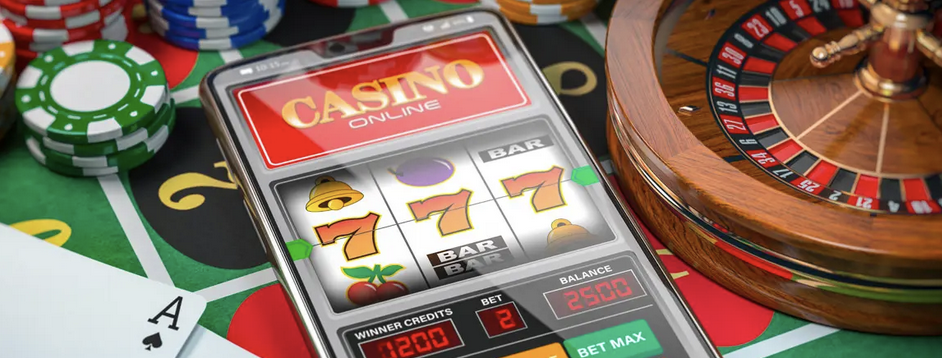
Are online casinos rigged? At a properly licensed casino, games are not supposed to change their odds secretly because a particular player has won, lost or increased a bet. Approved games follow programmed mathematical rules, while random number generators determine eligible outcomes. That does not mean players will win regularly. Even a fair casino game can produce long losing streaks because the house retains a mathematical advantage.
Fairness also applies to promotions, not only game outcomes. A winna monthly bonus calculator can help readers estimate how wager volume, game type and account results may affect a projected monthly reward before relying on the headline value. The result is an estimate rather than a guaranteed payout, and a bonus calculator does not certify that a casino’s games, licence or withdrawal process are fair.
The greatest concern is often not a licensed slot secretly targeting one player. It is using an unregulated online casino that offers fake games, misrepresents its licence, applies predatory bonus terms or refuses legitimate withdrawals.
Online casino gambling is restricted to adults who meet the legal age in their location. It carries a risk of financial loss and should be treated as entertainment rather than a way to make money.
Are Online Casinos Rigged?
Regulated online casinos are generally not rigged in the sense of secretly deciding that a particular player must lose. Their approved games are expected to operate according to tested rules, including the stated paytable, random number process and theoretical return.
However, players use the word “rigged” to describe several different concerns:
- A casino has a built-in mathematical advantage
- A slot produces a long losing streak
- The displayed RTP feels unrealistic
- A withdrawal is delayed
- Bonus conditions are difficult to complete
- The casino uses fake or altered software
- An account is closed after a large win
These are not the same problem.
The house edge is part of the game’s mathematics. A withdrawal dispute concerns the operator’s conduct. Fake software or manipulated results may indicate genuine fraud.
A casino game can follow its published rules while still causing substantial losses. Fairness does not mean that every player receives a balanced mixture of wins and losses.
Why Online Casino Games Can Feel Rigged
Random outcomes do not always look random.
Many players expect wins and losses to appear in a reasonably even pattern. Genuine random sequences can instead produce repeated losses, several similar outcomes or an unusual cluster of wins.
Volatility makes this effect more noticeable. A high-volatility slot may award fewer meaningful wins while offering the possibility of larger prizes. Long gaps between payouts can make the game feel unusually harsh.
Near misses also affect perception. Two jackpot symbols may appear beside an almost matching third symbol, creating the impression that the player was close to winning. Unless the game rules say otherwise, that result does not improve the next spin’s probability.
Online forums can strengthen suspicions. A player who wins may share the prize, while a player who loses may claim the casino is rigged. Neither post proves how the game performs across a large amount of play.
Suspicious results should not be dismissed automatically. The better approach is to separate normal variance from evidence such as fake software, inaccurate rules, missing game records or regulator findings.
How RNG Works in Online Casino Games
A random number generator is the software component used to produce or select outcomes in many online casino games.
In a slot, the RNG generates values that the game maps to reel positions or symbols according to its programmed rules. In digital roulette, it may determine the winning number. In computer-generated blackjack, it helps create the card sequence.
Most casino systems use pseudorandom number generators. These rely on algorithms and internal seed values to create sequences that should be unpredictable during normal use.
Pseudorandom does not mean obviously predictable or fake. It means the results are produced through computing rather than a physical process such as a roulette ball moving around a wheel.
A properly implemented RNG should prevent a casino employee from manually choosing the next result. It should also prevent the game from changing an individual player’s winning probability based on recent deposits, wins or losses.
Testing can examine:
- Whether outcomes are sufficiently unpredictable
- Whether values are mapped without unfair bias
- Whether the paytable matches the software
- Whether updates affect fairness-related components
- Whether live results remain within expected statistical ranges
Gambling911 has also examined how independent RNG audits support fair play, including the role of algorithms, testing and regulatory oversight in digital gambling.
An RNG does not guarantee a win after a certain number of spins. Independent outcomes do not compensate a player for previous losses.
What RTP and House Edge Really Mean
Return to player is one of the most misunderstood casino terms.
A theoretical RTP of 96 percent means the game is designed to return approximately 96 percent of qualifying stakes across a very large volume of play. The remaining 4 percent represents the theoretical house edge.
It does not mean that a player depositing $100 should expect to leave with $96.
One person could lose the entire amount quickly. Another could win several times the original stake. Short sessions can finish far above or below the theoretical figure.
| Term | What it means | What it does not mean |
| RTP | Expected return across extensive play | A guaranteed return for one player |
| House edge | The operator’s mathematical advantage | Proof that individual results are manipulated |
| Volatility | How unevenly wins may be distributed | The overall RTP by itself |
| Hit frequency | How often a game produces a winning result | How valuable those wins will be |
| Randomness | Outcomes are not produced in a predictable order | Every short session will look balanced |
Theoretical RTP comes from the game’s design. Actual RTP is calculated from real stakes and payouts over a measured period. Small samples can vary significantly, especially in volatile games.
Some game providers offer approved versions of the same slot with different theoretical RTP settings. The version available may vary by operator, market or jurisdiction, so players should check the information panel for the specific game they are playing.
A lower RTP is not automatically proof that a casino site is rigged. It may simply mean the game carries a larger house edge. The concern becomes more serious when the casino hides the figure, displays inaccurate information or provides a version that does not match approved rules.
How Licensed Online Casinos Demonstrate Fairness
A legitimate online casino should offer more than a licence logo in the footer.
The operator should identify its legal company, licence number and regulator. Players should confirm that information through the regulator’s official register. A copied badge or invented licence number provides no meaningful protection.
In stronger regulated markets, online casino games may need to be examined before release. Testing can include mathematical verification, source-code analysis, RNG assessment and gameplay checks. Operators may also be required to monitor live performance.
The UK Gambling Commission explains how regulated online games are tested, including requirements covering RNG-driven software and gameplay testing.
A credible casino should also provide:
- Recognisable software suppliers
- Accessible game rules
- RTP or paytable information
- Account and transaction histories
- Clear withdrawal conditions
- Identity-verification procedures
- Responsible-gambling tools
- A formal complaints process
Licensing reduces risk, but it does not make every operator perfect. A licensed casino can still have technical faults, slow support or customer disputes. The difference is that there should be rules, records and an external authority capable of reviewing compliance.
Regulated Casinos and Unregulated Offshore Casinos
Not every offshore casino is automatically rigged. Offshore means that the operator is based or licensed outside the player’s home jurisdiction.
The important questions are which licence applies, how strong the regulator is and whether the player has a realistic dispute route.
| Check | Regulated online casino | Unregulated or unclear casino |
| Licence | Verifiable in an official register | Missing, copied or difficult to confirm |
| Game testing | Required under applicable standards | May not be independently checked |
| Software | Approved providers and tested releases | Greater risk of copied or fake games |
| Complaints | Published procedure and possible escalation | Operator may make the final decision |
| Player funds | Subject to jurisdictional rules | Protection may be unclear |
| Responsible play | Controls often required | Tools may be limited or absent |
| Enforcement | Regulator may investigate | Practical enforcement may be weak |
A lightly regulated casino may use real games from recognised suppliers but offer limited support when a dispute arises. A fraudulent site may copy another casino’s design and display game titles that are not connected to the legitimate provider.
Readers evaluating crypto casinos can use Fair Gambling to review transparency resources and provably fair tools before depositing, while independently checking the operator’s licence, game rules and withdrawal terms.
No comparison website should replace official verification.
How Dishonest Casinos Can Cheat Players
A rigged online casino does not need to manipulate every spin to harm customers.
Dishonest conduct may happen through the game software, account system, bonus rules or cashier.
Fake or pirated games
A fraudulent site may display copied versions of popular slots without connecting to the real software supplier. These games may not use the original RNG, RTP or security controls.
False licence claims
A casino may show an expired licence, a logo belonging to another operator or a number that does not exist in the regulator’s register.
Misleading game information
The operator may hide the RTP, present inaccurate rules or offer software that does not match the approved version.
Predatory bonus terms
A large bonus may include excessive wagering requirements, maximum-bet restrictions, short expiry periods or strict cash-out limits. The casino may then use a minor breach to remove winnings.
Unreasonable verification
Identity checks are normal at regulated casinos. They become suspicious when an operator repeatedly requests unnecessary documents, ignores valid submissions or adds new requirements only after a large win.
Refused or delayed withdrawals
The game may be fair while the operator handles payments unfairly. Endless pending periods, unexplained cancellations and demands for extra deposits are serious warning signs.
The distinction matters. A casino can mistreat players even when its third-party slot games are technically fair.
How to Spot a Rigged or Untrustworthy Casino
The best time to investigate a casino is before depositing.
Search the regulator’s register using the company name, trading name and website address. Confirm that the licence is active and covers online casino activity.
Check the domain carefully. Fraudulent sites sometimes use addresses that differ from a legitimate casino by one letter or symbol.
Inspect the game providers and open the game information panel. Strange URLs, low-quality copies and missing rules can indicate pirated software.
| Warning sign | Why it matters | Recommended action |
| Licence cannot be verified | The regulator may not oversee the site | Do not deposit |
| No legal company name | Players cannot identify the operator | Use a more transparent casino |
| Broken rules pages | Important conditions may be hidden | Avoid the offer |
| Guaranteed-win claims | No casino game can promise profit | Leave the site |
| Personal payment requests | Funds may bypass the official cashier | Never send money |
| Fee required to release winnings | Common scam pattern | Stop depositing |
| Unofficial app file | May contain altered software or malware | Use verified sources only |
| Repeated withdrawal cancellation | May indicate misconduct | Start a written complaint |
Players should read bonus and withdrawal rules before depositing. A small withdrawal test can reveal how the operator handles documents and payments, although one successful payout does not guarantee that every future dispute will be resolved properly.
Common Myths About Rigged Online Slots
A slot is due to pay after a losing streak
Independent spins do not become more likely to win because previous spins lost. Continuing because a jackpot feels overdue is a form of chasing losses.
A higher stake makes the casino turn off wins
A licensed game should follow its approved rules. Different stake levels may activate disclosed prize structures or features, but the casino should not secretly target one player because the bet increased.
A 96 percent RTP guarantees most of the deposit back
RTP is a long-term mathematical measure. It is not a personal refund percentage and does not limit how much can be lost in one session.
Casinos must rig games to make money
They do not. The house edge already gives casino games a mathematical advantage over extensive play. Secret manipulation would create legal, licensing and reputational risks without being necessary for the business model.
What to Do If You Have a Casino Dispute
Stop depositing while the issue remains unresolved.
Save the casino’s terms, bonus rules, game IDs, timestamps, transaction references, account history, emails and support messages.
Submit a written complaint that includes:
- The account reference
- The disputed amount
- Relevant dates
- Game or transaction IDs
- The rule you believe was applied incorrectly
- The outcome you are requesting
Ask the casino for a final written response.
If the operator is licensed, follow the regulator’s published process. Some jurisdictions require the customer to complete the casino’s internal complaint procedure before using an independent dispute-resolution service.
A regulator may use complaints as evidence of wider compliance failures without directly recovering an individual player’s money.
Suspected fake licensing, cloned websites, identity theft or criminal payment requests may also need to be reported to the relevant financial or cybercrime authority.
Keeping Online Casino Play in Perspective
A fairness certificate does not make casino play profitable.
Players should use only money set aside for entertainment and keep it separate from housing, food, healthcare, debt payments and savings.
Increasing bets to recover losses creates greater financial risk without changing the underlying probabilities.
Useful controls include deposit limits, loss limits, time reminders, cooling-off periods and self-exclusion.
Take a break when anger, anxiety or urgency begins to influence decisions. A player who feels compelled to prove that a game must eventually pay may continue far beyond the original budget.
A fair casino game can still cause serious losses. Fairness means the rules are followed, not that the player is protected from the house edge.
Frequently Asked Questions About Rigged Casinos
How do I know if an online casino is rigged or legitimate?
Verify the legal company and licence through the regulator’s official register. Check the game suppliers, rules, RTP information, withdrawal policy and complaint process.
Are licensed online casinos rigged?
Licensed casinos are required to follow the rules of their jurisdiction, and applicable games may need independent testing. That does not guarantee winning sessions or prevent every customer dispute.
Are online casino slots really random?
Reputable digital slots use random number generators to produce outcomes according to programmed rules. Randomness does not mean every short session will contain a balanced number of wins and losses.
Can a casino change a slot’s RTP?
Some providers offer approved RTP configurations for the same slot, and the available version may vary by operator or regulated market. The selected RTP should be disclosed in the game information and comply with the applicable jurisdiction. A licensed casino should not secretly alter the odds for an individual player.
What methods do rigged casinos use to cheat players?
Fraudulent operators may use fake games, false licences, misleading RTP claims, predatory bonus terms, retroactive rules or withdrawal obstruction.
What should I do if a casino refuses to pay?
Stop depositing, preserve all records and submit a written complaint through the casino’s official process. If the issue remains unresolved, check whether the regulator or an approved dispute body accepts the case.
What Players Should Remember
The answer to “are online casinos rigged?” is not a simple yes or no.
Licensed casino games are designed to follow tested rules, but they still contain a house edge and can produce severe short-term losses. Unregulated or fraudulent casinos create additional risks through fake software, false licensing, unfair terms and blocked withdrawals.
Players should verify the operator, understand RNG and RTP, inspect bonus and withdrawal rules, and preserve records when something goes wrong.
Most importantly, game fairness does not remove gambling risk. No slot, bonus or betting system can guarantee a profit.
- B.E. Delmer, Gambling911.com